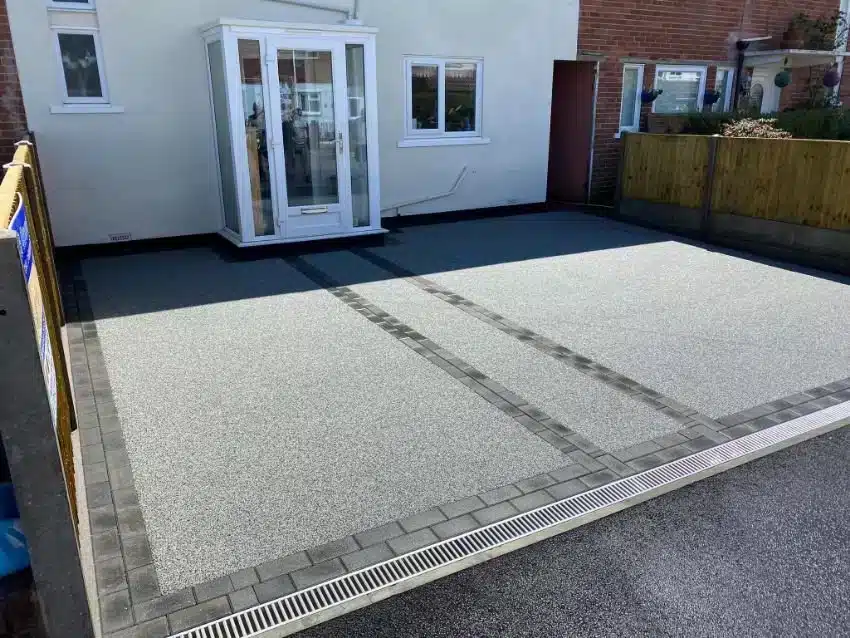
Common Resin Driveway Problems and How to Avoid Them
Request a callback to receive your bespoke quote
GET A QUOTEJoin 1000 others who have saved thousands by using a resin based riveway.

Resin bound driveways have become a popular choice for homeowners and businesses across the UK. They look smart, feel modern and offer a durable, low maintenance surface when installed correctly. However, like any driveway solution, problems can occur if corners are cut or the wrong approach is taken.
At Resin Bound Driveways, we have seen first-hand how avoidable mistakes can lead to disappointment. In this guide, we explain the most common resin driveway problems and, more importantly, how to avoid them so your investment stands the test of time.
Poor drainage and surface water issues
One of the biggest benefits of a resin bound driveway is that it is fully permeable, allowing water to drain through the surface rather than pooling on top. Problems arise when the base beneath the resin is not designed properly or when resin bound is confused with resin bonded systems.
If drainage is overlooked, water can sit beneath the surface, leading to weakening, cracking or algae growth over time.
How to avoid it:
Always ensure the driveway is installed as a true resin bound system on a suitable permeable base such as open graded asphalt or a correctly prepared concrete base with drainage consideration. Professional assessment of ground conditions is essential before any work begins.
Cracking and movement
Cracks in a resin driveway are not caused by the resin itself but by movement in the base underneath. If the base is unstable, poorly compacted or already cracked, those issues will eventually show through the resin surface. This is especially common when resin is laid over old concrete or tarmac without proper preparation.
How to avoid it:
The base must be structurally sound, clean and stable. Any existing cracks should be repaired, and movement joints should be respected. In some cases, a new base is the only way to guarantee a long-lasting finish. Skipping this step often leads to costly repairs later.
Loose stones and surface breakdown
A high-quality resin bound driveway should have stones that are firmly locked into place. Loose stones are usually a sign of incorrect mixing ratios, poor quality resin or installation during unsuitable weather conditions.
Over time, this can lead to bald patches and surface deterioration.
How to avoid it:
Correct resin to aggregate ratios are critical. Installation should only take place in dry conditions within the recommended temperature range. Using premium UV stable resin and experienced installers ensures the stones remain securely bound for years to come.
Discolouration and fading
Discolouration is a common concern, particularly on driveways installed with cheaper resin. Non UV stable resin can yellow over time, altering the appearance of lighter aggregates and leaving the surface looking patchy or tired.
How to avoid it:
Always choose UV stable resin. While it may cost slightly more upfront, it protects the colour and appearance of your driveway long term. At Resin Bound Driveways, we only use high quality materials that maintain their finish even under constant exposure to sunlight.
Weed growth
One of the selling points of resin bound driveways is their resistance to weeds. However, weeds can still appear if organic matter builds up on the surface or if the edges are not properly detailed. Weeds rarely grow through the resin itself. Instead, they take hold in debris sitting on top or along borders.
How to avoid it:
Good edging detail and regular light maintenance make a big difference. Sweeping the surface occasionally and keeping borders clean prevents seeds from settling and growing. Proper installation also ensures there are no gaps for weeds to exploit.
Slippery surfaces
Some people worry that resin driveways become slippery when wet or icy. In reality, a well installed resin bound surface offers excellent slip resistance due to its textured finish. Problems occur when the wrong aggregate is chosen or when algae builds up due to poor drainage or shading.
How to avoid it:
Selecting the right aggregate size and finish improves grip. Ensuring good drainage and occasional cleaning helps prevent algae growth. In shaded areas, additional anti slip measures can also be incorporated during installation.
Poor edging and finishing details
Even when the main surface is installed well, poor edging can undermine the entire driveway. Weak edges can lead to crumbling, spreading or water ingress, all of which shorten the lifespan of the driveway.
How to avoid it:
Strong, well-defined edging is essential. This could be aluminium, stone, brick or concrete depending on the design. Proper edging provides both structural support and a clean visual finish.
Why professional installation matters
Most resin driveway problems can be traced back to poor workmanship, rushed preparation or low-quality materials. Resin bound surfacing is not a job for shortcuts. It requires experience, planning and attention to detail at every stage.
At Resin Bound Driveways, we specialise in transforming residential and commercial properties with bespoke resin solutions that combine beauty, longevity and practicality. From small patios to large driveways, we approach every project with care, precision and an unwavering attention to detail. Our mission is simple. To exceed your expectations and deliver outdoor spaces that are both functional and visually striking.
Ready to get it right the first time
A resin bound driveway is a long-term investment in your property. When installed correctly, it offers years of durability, excellent drainage and a premium finish that enhances kerb appeal.
If you are considering a resin bound driveway and want expert advice you can trust, contact Resin Bound Driveways today. We will guide you through every step, from design to installation, and ensure your new driveway is built to last. Get in touch to arrange a consultation and take the first step towards a smarter, more durable outdoor surface.